
In 138 BC, a young Han officer named Zhang Qian walked out of the last gate of China carrying a staff of office and no map. Thirteen years later he came back with something better than an alliance: a description of the world to the west.
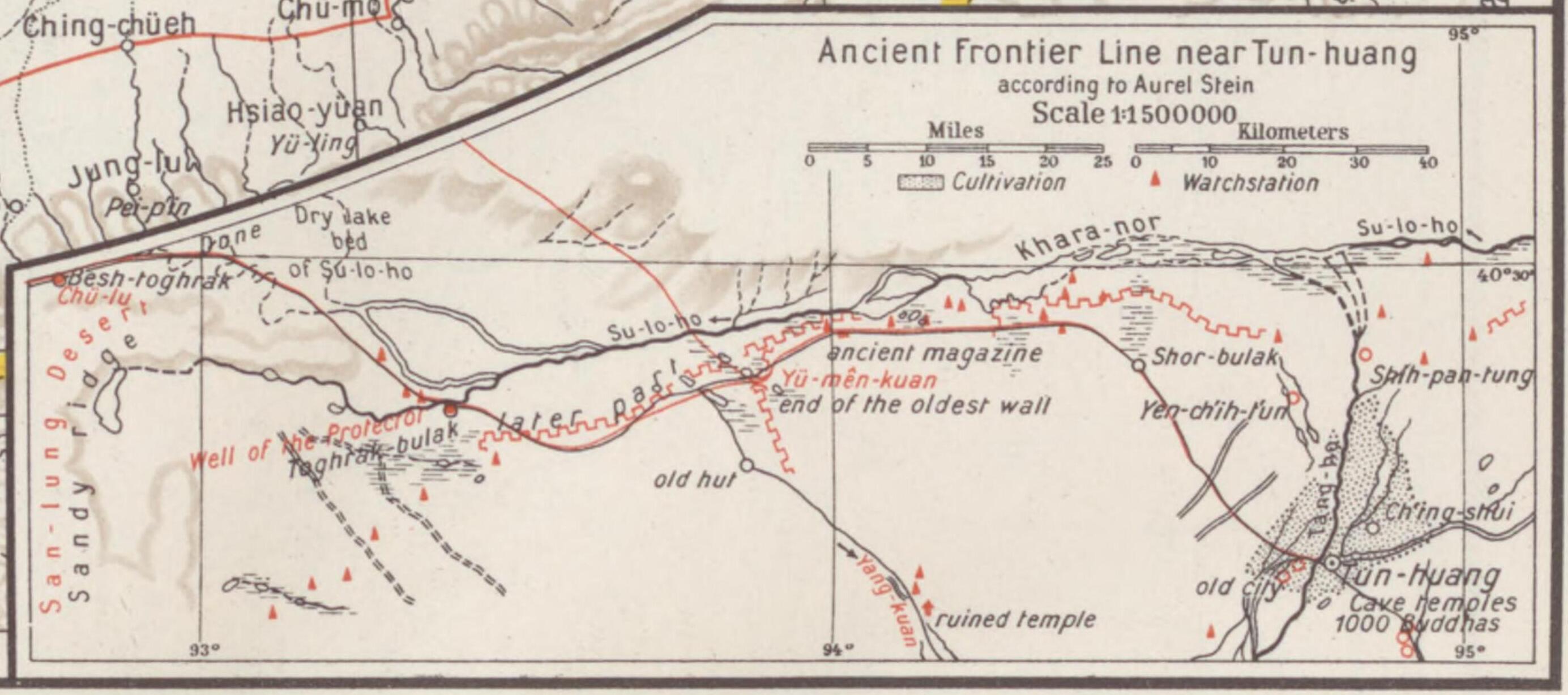
He was captured by the Xiongnu and held for about ten years. He learned their language and their horses. He escaped, travelled on to Dayuan and Bactria, and finally turned for home — arriving in Chang’an in 126 BC with seeds, reports, and the first reliable account of Central Asia that China had ever had.
His mission failed. His journey did not. Because of what he saw and remembered, merchants finally knew where the water was, and caravans began to follow the line one man had walked alone.
Watch the film
Episode 1 · The First Step West. Premiere date to be announced.
About the music
The score is played on pipa, erhu, dizi and guqin over a slow frame drum, with desert wind and camel bells as texture. It contains no singing and no spoken word — only instruments.
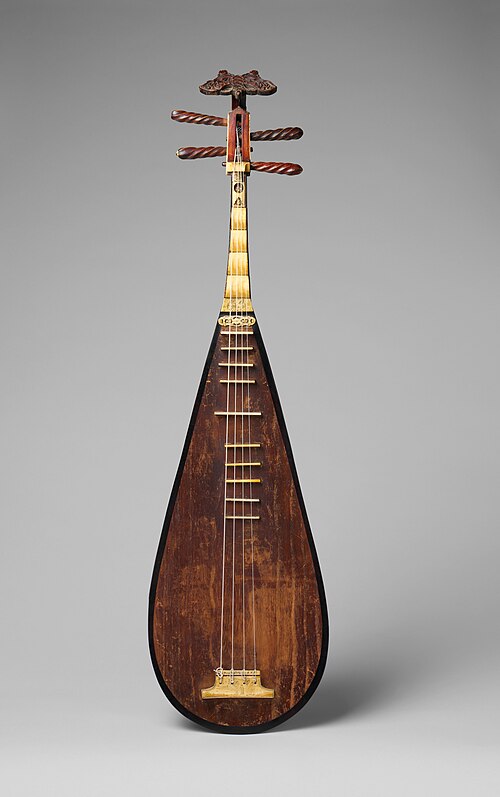
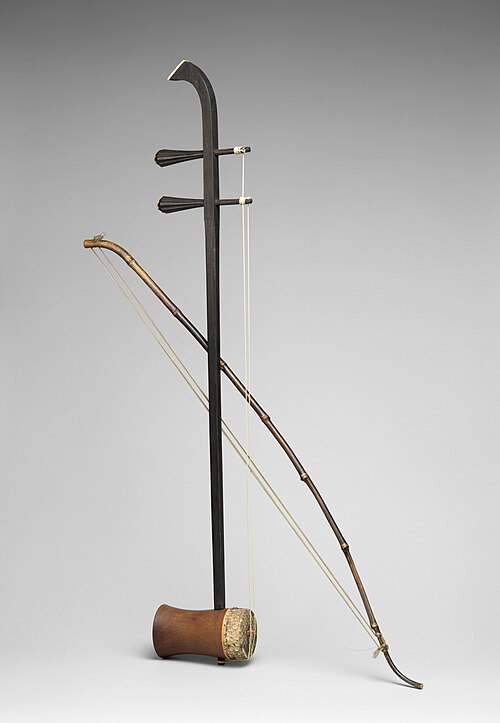
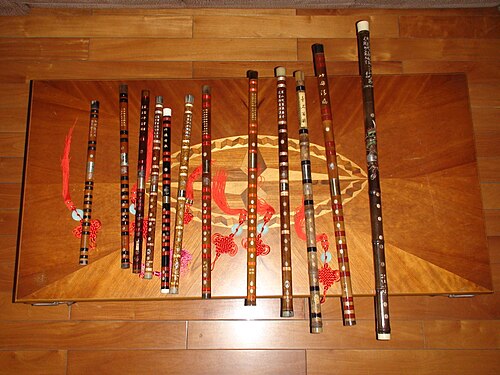
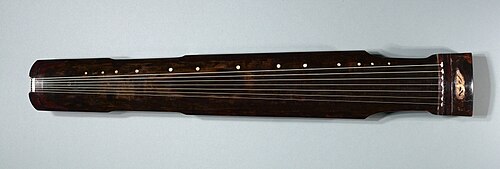
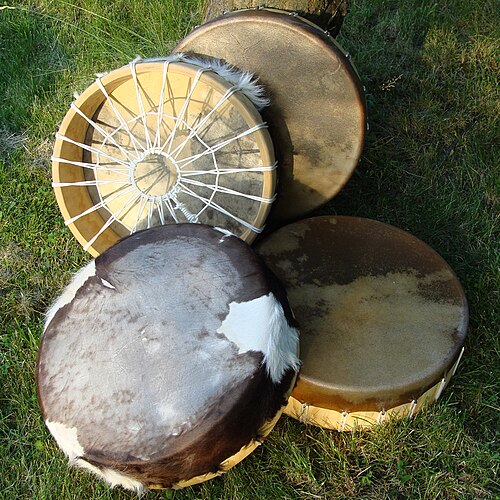
Instruments heard in this episode. Photographs: Pipa; Erhu; Dizi; Guqin & Frame drum.
Go further: The Story of the Silk Road
Our illustrated e-book follows the whole road — the gates, the caravans, the caves at Dunhuang, the silk that was worth an empire — in 40–60 pages of story, maps and images. It is written for readers who want the long version.
Free: Silk Road Route Map & Timeline
Leave your email and we will send you a printable map showing the ancient route from Chang’an to Rome beside today’s rail and sea corridors, with a timeline of key dates and a pronunciation guide for the place names.