
Two forts of rammed earth stood side by side in the sand west of Dunhuang: Yumen, the Jade Gate, and Yangguan, the Yang Pass. Built in the second century BC, they were the last checkpoints of the Han empire, where every traveller showed a wooden pass and a clerk wrote a name into the record. Beyond them there was no wall, no field and no inn. Wang Wei’s four lines about one more cup of wine, spoken west of Yang Pass, are still quoted, because the feeling at a threshold has not changed.
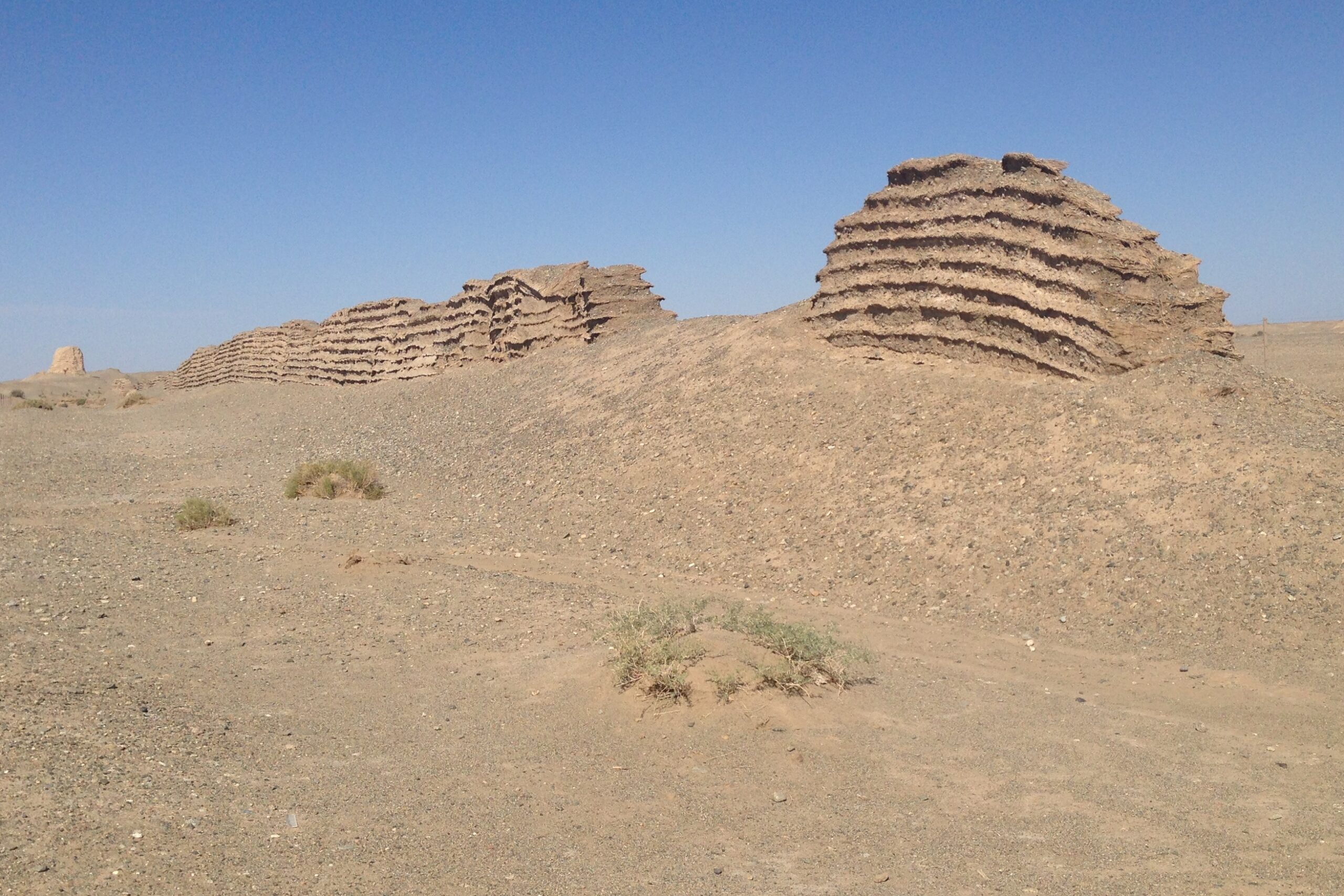
The Great Wall ran two hundred kilometres east of the Jade Gate and stopped there, in open sand. Yumen, the Jade Gate, and Yangguan, the Yang Pass, were built in the second century BC after Emperor Wu’s campaigns, and they controlled the two roads around the Tarim Basin. Yumen took its name from the Khotan jade that passed through it. Both forts were low and square and made of rammed earth, and by the time the pennants lifted in the cold before dawn there was already a queue of camels outside. Every traveller needed papers: a wooden slip with a name on it. A clerk ground ink, pressed a seal, and wrote another person into the record.
Bundles were opened and retied, and nothing was wasted and nothing hidden: a monk’s staff, a merchant’s scales, a soldier’s bow. Outside the wall stood the last tavern, where friends drank before the crossing and the cup was filled a second time, then a third. One of them was a poet, and he said the line aloud — drink one more cup, my friend, for west of Yang Pass there are no old friends. It was not a farewell speech. It was simply true. Then came the walk: twenty paces of shadow under the gate, and behind you the sound of a hinge closing on the world you knew.
Beyond the gate there was no wall, no field and no inn — only gravel, cracked salt crust and a horizon with no edge. The map stopped making promises. Water was counted, and shade was a luxury. Those who passed were merchants chasing a price; monks carrying a translation nobody had made yet; soldiers posted where the wall ended; and people sent away who had not chosen it. The gate let them all go the same way. Wind has worked on these walls for two thousand years and taken the timber, the plaster and the roofs. What is left is earth and the shape of a doorway, and visitors who walk the boardwalk still touch the rammed earth, still warm at dusk.
Watch the film
Episode 2 · The Jade Gate. Premiere date to be announced.
About the music
This episode is led by the pipa, with the erhu answering it in the farewell scene outside the wall and the frame drum marking the moment of departure. The guqin takes over for the ruin at dusk, thin and unhurried. Desert wind and camel bells run through the whole piece as texture. There is no singing and no spoken word; the melody alone carries the parting and the empty country beyond the gate.
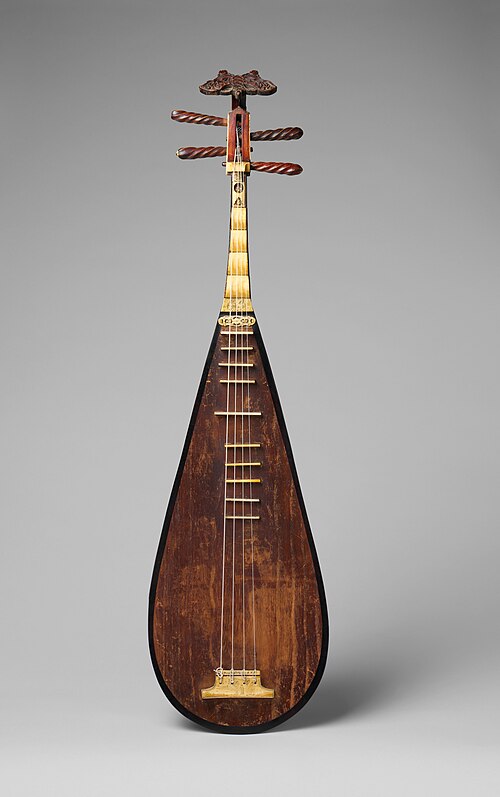
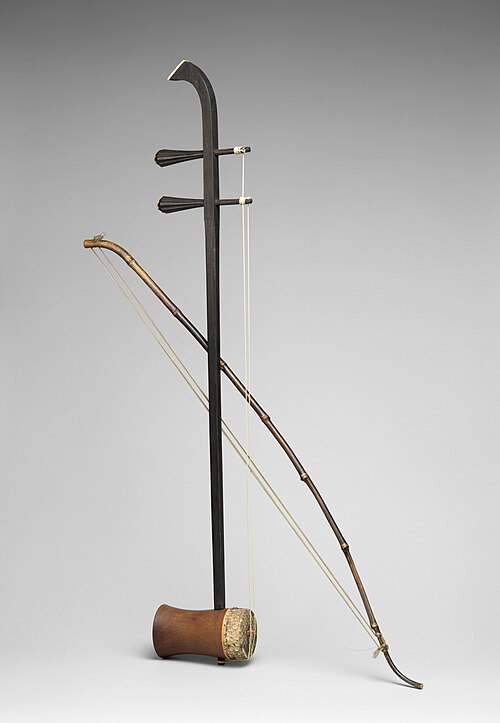
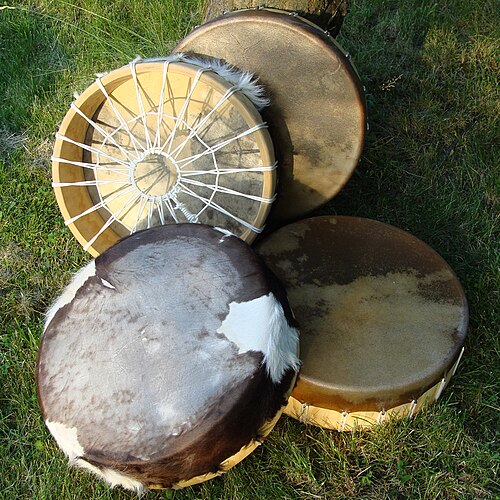
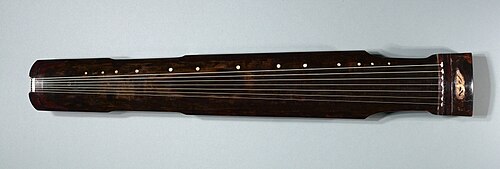
Instruments heard in this episode. Photographs: Pipa; Erhu; Frame drum & Guqin.
Go further: The Story of the Silk Road
Our illustrated e-book follows the whole road — the gates, the caravans, the caves at Dunhuang, the silk that was worth an empire — across 40 to 60 pages of story, maps and images. It is written for readers who want the long version.
Free: Silk Road Route Map & Timeline
Leave your email and we will send a printable map showing the ancient route from Chang’an to Rome beside today’s rail and sea corridors, with a timeline of key dates and a pronunciation guide for the place names.