
Silk begins in a mulberry grove, where a worm wraps itself in a single continuous filament hundreds of metres long. Rearing silkworms, known as sericulture, began in China in the Neolithic period, and for centuries the craft was a state secret. Silk was the Han empire’s most valuable export. In Rome it was called serica and sold for more than its weight in gold, while the making of it stayed out of reach of the West for a very long time.
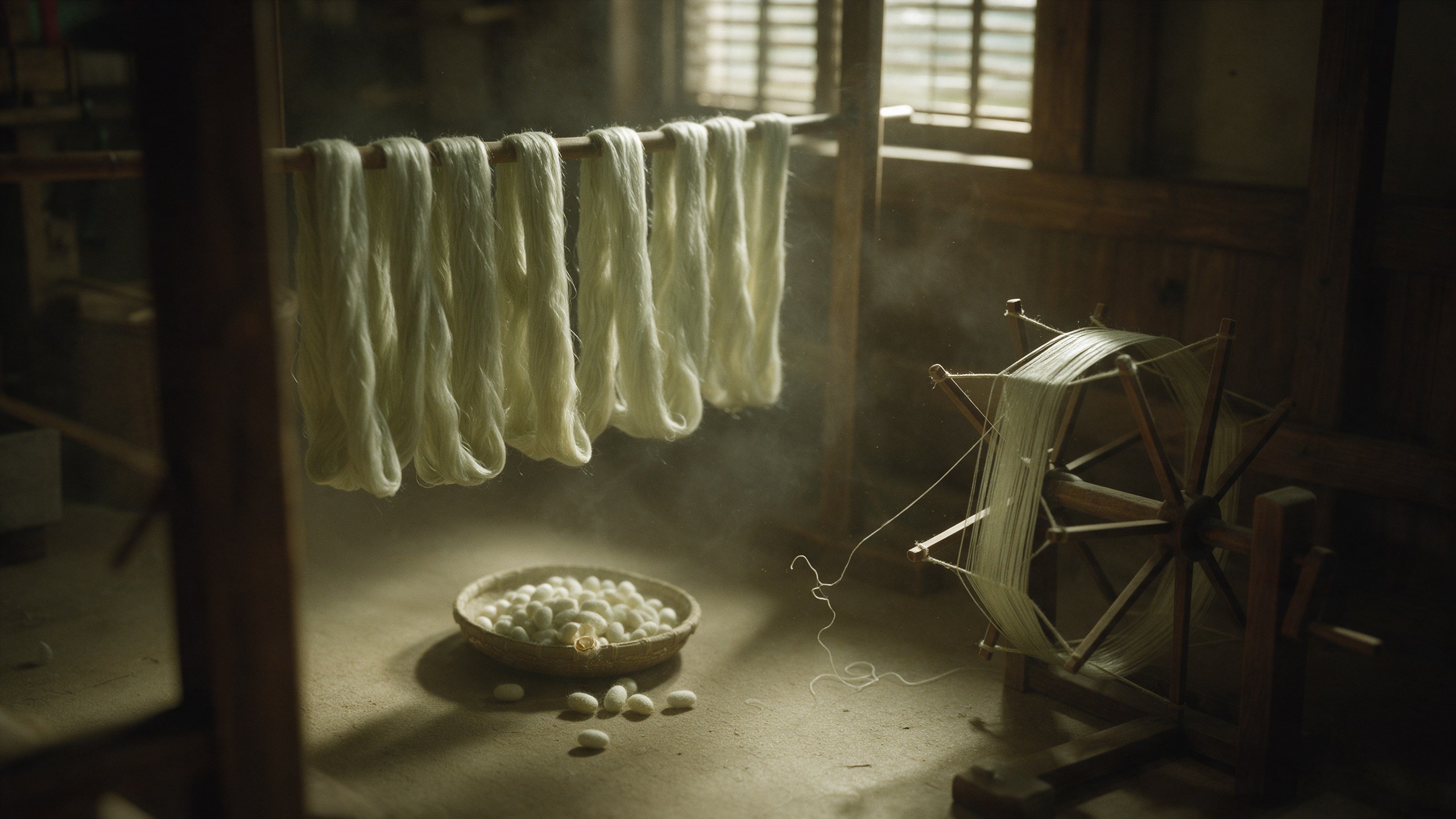
In spring the mulberry leaves are picked before the sun is up, and a grove of low trees feeds what may be the most valuable animal in China. Silkworms eat for days and stop only to sleep; then they wrap themselves in one long continuous thread. At dawn the reeling bowls are filled with warm water, a cocoon is softened, and the end of the filament is found. It comes out wet, very fine and impossibly strong. A single cocoon holds hundreds of metres of one thread. Nothing else in the ancient world was made quite this way.
The loom house is quiet except for the treadles. A warp of silk threads waits stretched and perfectly level, and two threads cross a thousand times every hour. The pattern lives in the loom’s own memory, thread by thread, and one piece of wood can remember gauze, damask and brocade. One bolt of silk could take a woman a whole season, and a single broken filament spoiled the whole length of thread, so the hands moved slowly and the breathing went still. In the warm south the worms bred two or three times a year. Weight for weight, this thread was worth more than gold.
Silk left in bales, roped onto camels and tied tight, across deserts where even water was a toll. It passed through many hands and each hand added a price. In Rome it sold lighter than anyone could believe, and the Roman Senate tried without success to stop men from wearing it. Chinese law forbade the export of silkworm eggs, so the secret held for centuries. Silk also travelled as a gift before it travelled as a good: kings gave it away to buy peace, and wherever it was given, a road was kept open. Five thousand years on, it is still woven in China.
Watch the film
Episode 6 · The Fabric Worth an Empire. Premiere date to be announced.
About the music
Here the dizi is the bright dawn voice, pipa and yangqin carry the rhythm of the loom, erhu takes the long melody of the filament, guqin brings restraint, and a low frame drum keeps the loom beat, with desert wind and camel bells on the road. It is entirely instrumental: no singing and no spoken word appear anywhere in the score.
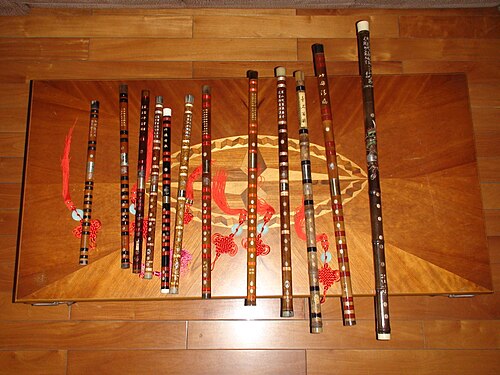
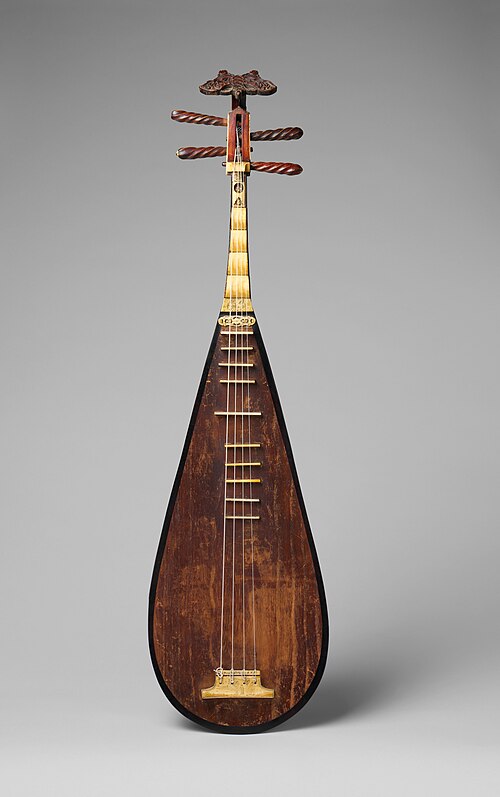
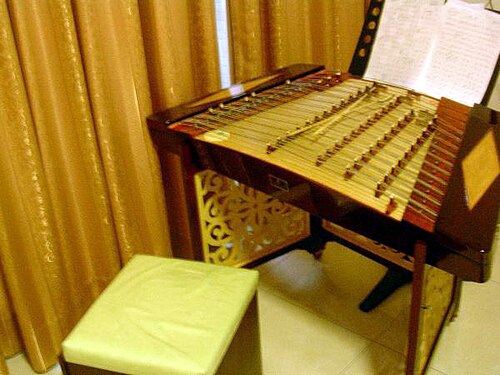
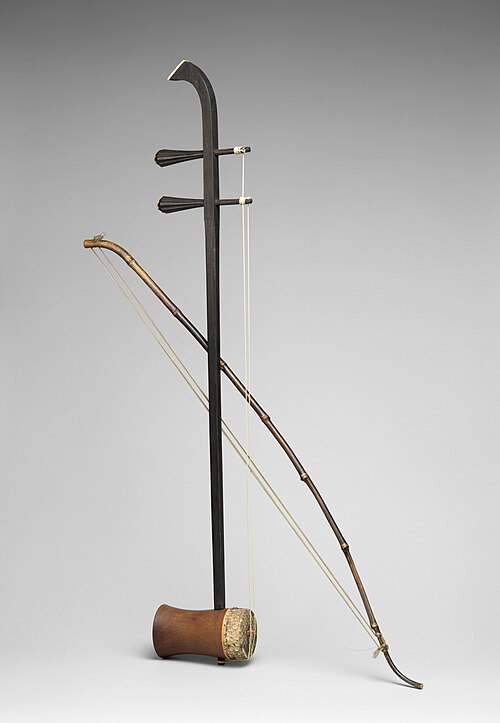
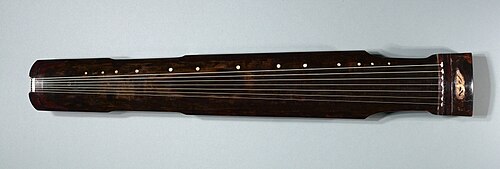
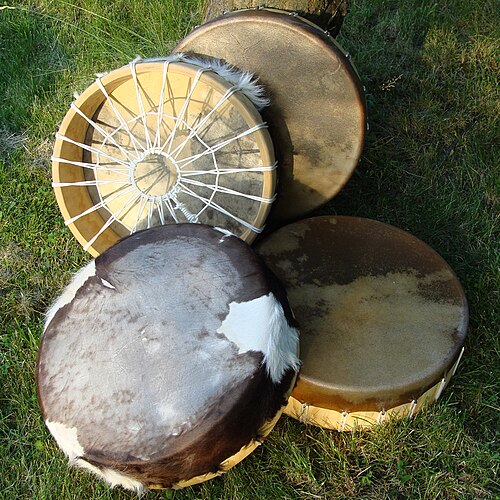
Instruments heard in this episode. Photographs: Dizi; Pipa; Yangqin; Erhu; Guqin & Frame drum.
Go further: The Story of the Silk Road
Our illustrated e-book follows the whole road — the gates, the caravans, the caves at Dunhuang, the silk that was worth an empire — across 40 to 60 pages of story, maps and images. It is written for readers who want the long version.
Free: Silk Road Route Map & Timeline
Leave your email and we will send a printable map showing the ancient route from Chang’an to Rome beside today’s rail and sea corridors, with a timeline of key dates and a pronunciation guide for the place names.