
The China-Europe Railway Express began in 2011 with a service linking Chongqing to Duisburg, and it has run ever since. This episode follows one train from an inland container yard before sunrise, across the border where the rails change width, and into the long night of a driver’s cab in Kazakhstan, to the rain of a European terminal sixteen days later. What the boxes hold is ordinary: shoes, bicycle lamps, winter coats, machine tools. What holds the journey together is a line of agreements, and the people who sign for it, lift it and drive it.

Long before sunrise, an inland container yard in China is already working. Steel boxes stand in rows stacked eight high, and gantry cranes move above them under floodlights. Each box carries a number, a weight and a destination. A clerk signs the manifest, the cab light comes on, and a locomotive couples to a line of flat wagons. The train leaves Chongqing and runs west, and it will not stop at the sea. On the platform, nobody has seen the end of the line. Somewhere ahead, the track itself will change.
At Khorgos the rails of China simply stop. China and most of Europe use standard gauge, 1,435 millimetres, while the railways of the former Soviet Union are wider, at 1,520 millimetres, so the train cannot continue as it is. Every container is lifted by gantry crane and set down on waiting wagons on the far side of the border. Customs officers walk the length of the train, comparing paper against steel; a stamp is pressed, a page is turned. The cargo itself never touches the ground. A few hours later the whole train has new bodies under it and rolls on at midnight.
The next part of the journey is mostly night. Inside the driver’s cab, warm and very small, a thermos stands beside the throttle, the timetable is folded and taped to the panel, and a photograph of a child is tucked near the window. Kazakhstan slides past in the dark; Russia is wider than any map on the wall. Snow, desert and steppe give way at last to a green river plain. After roughly ten thousand kilometres and sixteen days the train reaches Duisburg. A camel caravan needed a year for the same journey. Around fifty trains a week now cross the Eurasian landmass, and every container is sealed, weighed and entered in a log.
Watch the film
Episode 9 · The Belt: Railways to the West. Premiere date to be announced.
About the music
This episode is scored as a lofi ambient instrumental piece: pipa as the lead voice, erhu answering, dizi and guqin for the quieter passages, yangqin shimmer at the break of gauge, and a frame drum heartbeat under the whole run, carried on warm production, tape hiss and soft sub-bass. There is no singing and no spoken word anywhere in the episode. The yard, the crane and the rails supply the sound, and the music follows the journey rather than describing it.
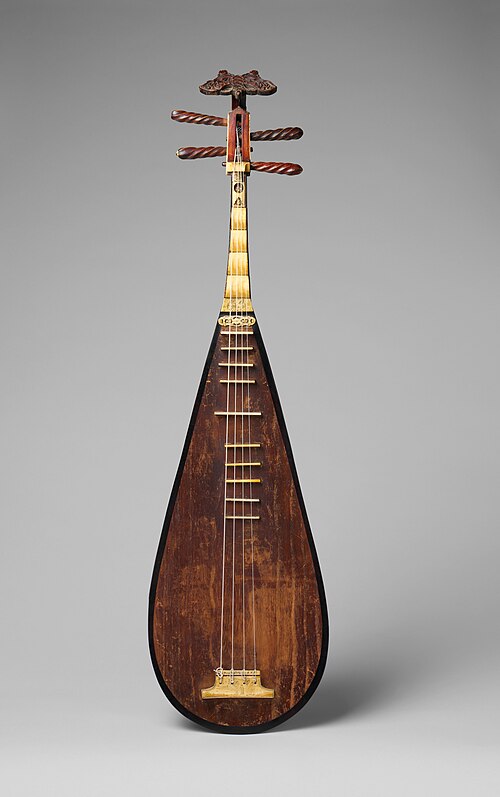
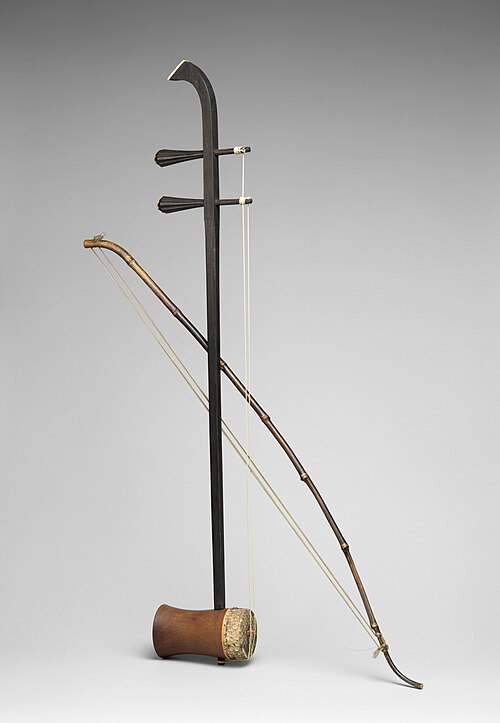
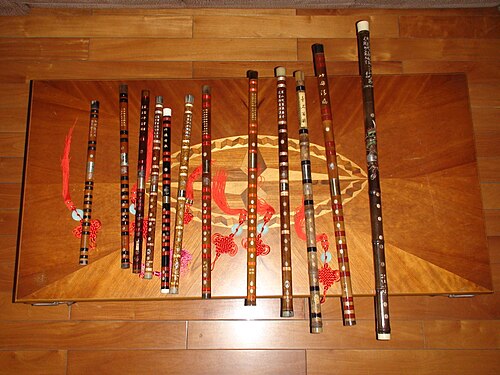

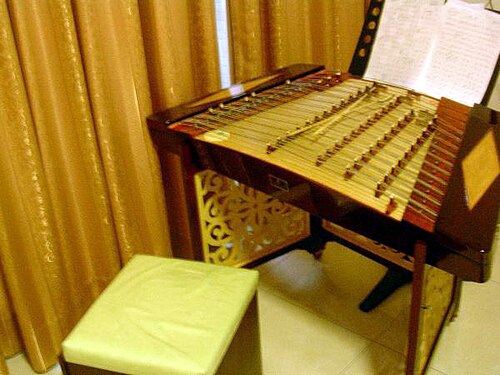
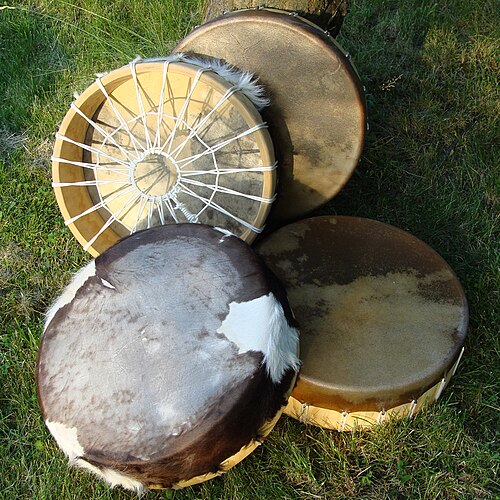
Instruments heard in this episode. Photographs: Pipa; Erhu; Dizi; Guqin; Yangqin & Frame drum.
Go further: The Story of the Silk Road
Our illustrated e-book follows the whole road — the gates, the caravans, the caves at Dunhuang, the silk that was worth an empire — across 40 to 60 pages of story, maps and images. It is written for readers who want the long version.
Free: Silk Road Route Map & Timeline
Leave your email and we will send a printable map showing the ancient route from Chang’an to Rome beside today’s rail and sea corridors, with a timeline of key dates and a pronunciation guide for the place names.