
The maritime Silk Road joined Chinese ports with Southeast Asia, India, Arabia and East Africa for more than a thousand years, and the same chain of harbours still carries the trade. This episode follows a deeply laden container ship through the Malacca Strait and along its schedule, stands on the lashing deck at night with the crew, and finally opens a container in a small shop on the other side of the world. Porcelain once left Jingdezhen by river and then by sea; today the boxes hold tea tins, bowls and folded paper lanterns. The water in between has not changed.
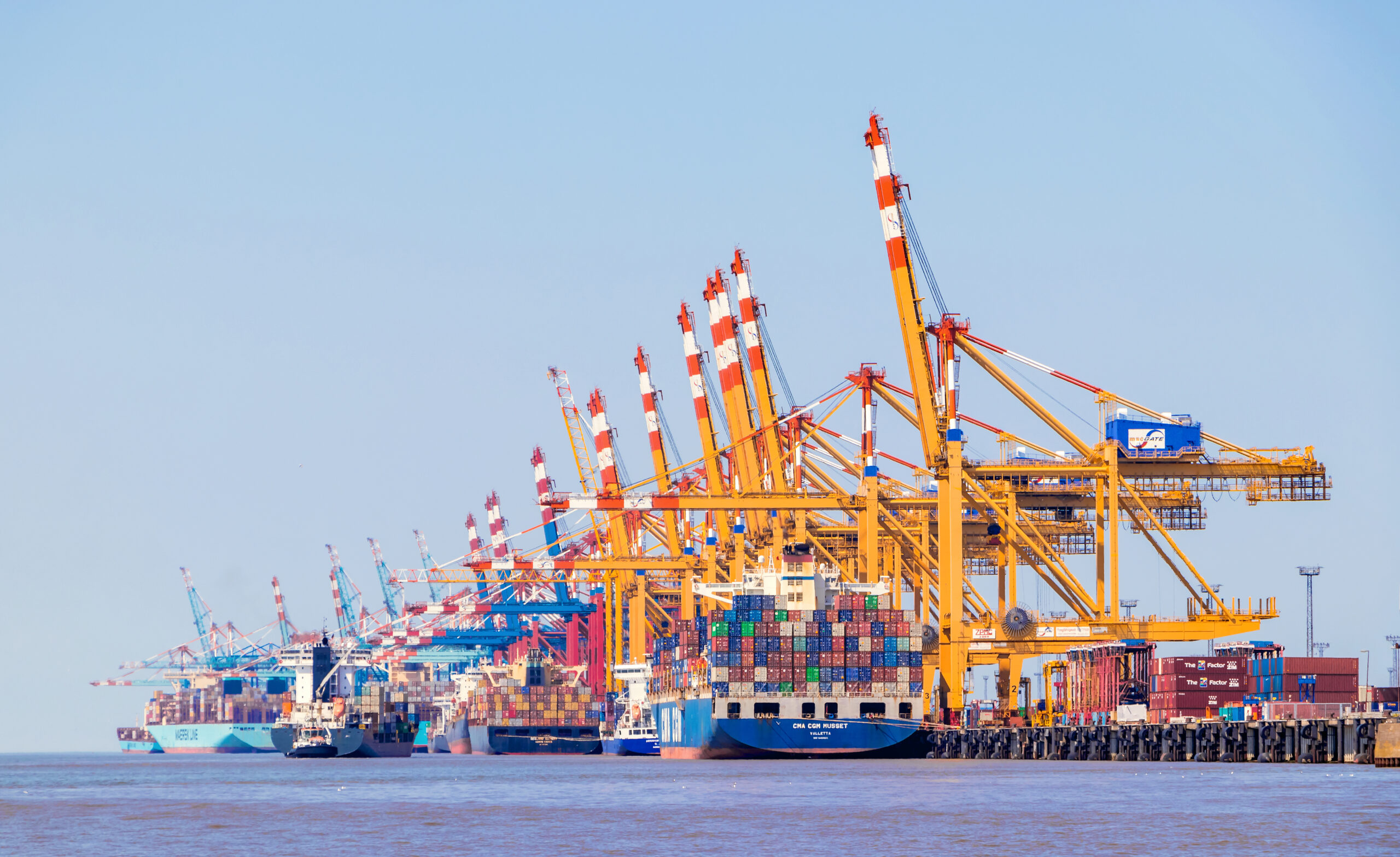
A deeply laden container ship feels its way toward the Malacca Strait in darkness. Two hundred metres of steel move almost without sound, and the bridge is dark except for its instruments. The lights of other ships pass like a slow city. A pilot boat comes alongside, a ladder drops, and a local pilot steps aboard and takes the conn; he knows this channel the way a farmer knows a field. Below the waterline, more than twenty thousand boxes ride quietly, carrying ordinary cargo the way junks once carried porcelain. Then the quay comes, and the pace of everything changes.
On the quay, gantry cranes straddle the ship and lift forty tonnes in minutes, so a port call is measured in hours rather than the weeks it once took. Trucks queue under the gantries like a moving wall, and the ship sits higher with every box taken off. Piraeus, Colombo, Gwadar and Djibouti are names on the same schedule. Nobody unloads with baskets and shoulders any more. Every crane is a small machine for shortening a journey, and every port is a place where time is counted as money, by the hour, all night and all day.
At sea again, the work turns quiet. On the lashing deck the crew check the ropes once more, thick as an arm, holding the stacks through whatever the water does; salt has dried white on every rail and turnbuckle, and a bosun tightens a twistlock with a steel bar. A bridge watch logs the course every four hours. In the mess, rice cooks and the kettle will not stop, and a family photograph is pinned by the door. Eight months aboard, then home for two. Weeks later, in another hemisphere, a container is opened: tea tins, porcelain bowls, folded paper lanterns. A shopkeeper lifts one bowl to the light, and the glaze is the same colour it was four hundred years ago.
Watch the film
Episode 10 · The Road: Ports of the Sea. Premiere date to be announced.
About the music
The score is a lofi ambient instrumental arrangement in the series’ usual palette: guqin and dizi over soft sub-bass for the night approach, yangqin and pipa driving the mid-tempo quay rhythm, erhu answering over guqin, and pipa tremolo across the lashing sequence, with a sparse frame drum heartbeat beneath it all. There is no singing and no spoken word. The sea, the cranes and the kettle in the mess do the rest.
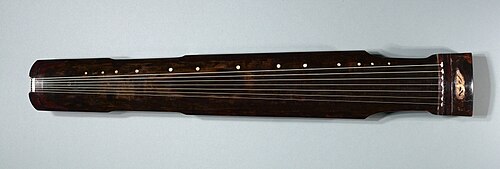
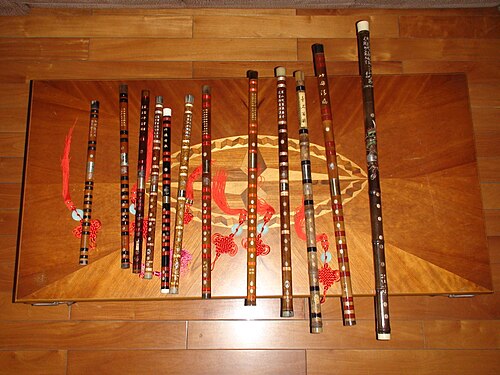
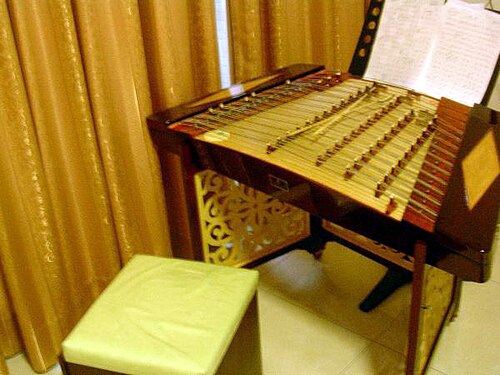
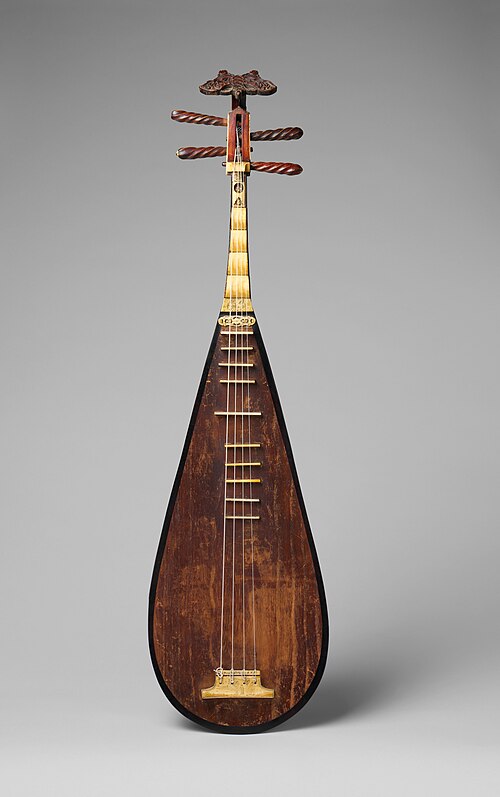
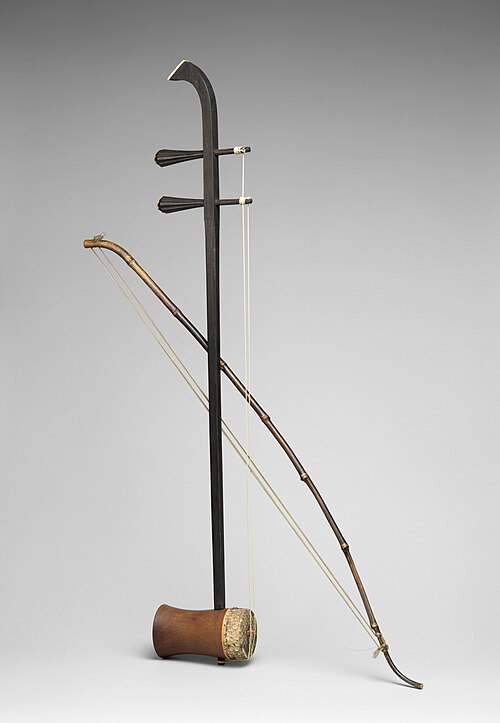
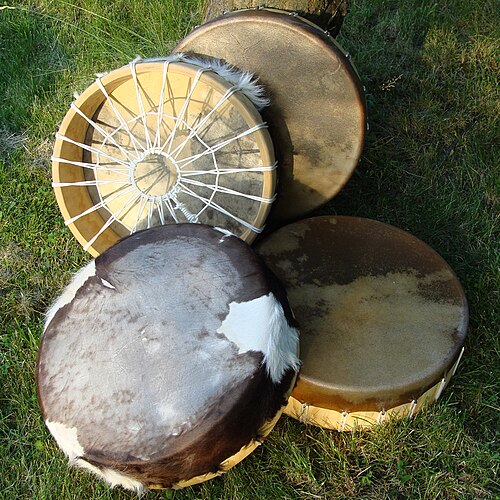
Instruments heard in this episode. Photographs: Guqin; Dizi; Yangqin; Pipa; Erhu & Frame drum.
Go further: The Story of the Silk Road
Our illustrated e-book follows the whole road — the gates, the caravans, the caves at Dunhuang, the silk that was worth an empire — across 40 to 60 pages of story, maps and images. It is written for readers who want the long version.
Free: Silk Road Route Map & Timeline
Leave your email and we will send a printable map showing the ancient route from Chang’an to Rome beside today’s rail and sea corridors, with a timeline of key dates and a pronunciation guide for the place names.