
The season ends where the road began, at a dune with a rail line behind it. Across these episodes the Silk Road has been followed from a first step west to the painted caves at Dunhuang, and this last one looks at what actually moved. The name is modern, coined by a German geographer in 1877; the habit of exchange is not. Silk gave way to sealed crates, camel bells to train horns, paper to documents travelling as light. Food, music, films, students and data now take the same direction. What remains is not a route with an end, but a line of movement that simply kept going.

A sand dune and a rail line, in the same frame, in one country. Bells gave way to horns, but the direction stayed the same. For two thousand years nobody quite agreed on the name of this route, and it was never one road so much as a shifting network of tracks between China, Central Asia, Persia and the Mediterranean. Freight leaves every evening, carrying what the caravans carried. The old and the new sit together here without argument: a kneeling camel and a turning crane, a strip of painted cave wall and a strip of steel. One line of movement, in one form or another, has never stopped.
The handover happened quietly, over centuries. A hand passes folded silk; another hand passes a sealed crate. Bales of cloth then, plastic-wrapped pallets now, the same shape of trade. Salt, tea and horses went east and west by turns; now it is machines, medicine, mobile phones and grain. A melon seller in Turpan still argues at the same hour, some merchants still shake hands, and others still haggle. The cargo changed; the habit of exchange did not. Water was the first great carrier, then rails, and the corridor Zhang Qian once reported on is traced again by freight trains running from Chinese cities towards Europe.
What travels now is also food, music, films, students and data. A noodle shop in a desert town serves a foreign recipe; a student crosses three borders to sit in a lecture hall; a film made in one language is watched in another. Ideas are the lightest cargo on the whole route, and borrowed words travel and never quite come back. Every exchange leaves both sides slightly different afterwards. So the road is not a route but an unfinished sentence, and others will finish it differently than we would. The caves still hold their colour because somebody stayed. The silk, the paper, the crowded market: all still here.
Watch the film
Episode 12 · The Road That Never Ended. Premiere date to be announced.
About the music
The season closes on an instrumental arrangement: pipa and erhu sharing the lead, dizi carrying the open-road theme, guqin for the fade, yangqin for the market, and the frame drum as a walking pulse, textured with desert wind, camel bells, a distant train horn and low port rumble. There is no singing and no spoken word. Two rhythm beds are crossfaded early, past against present, and the ending thins to guqin, wind and a single fading bell.
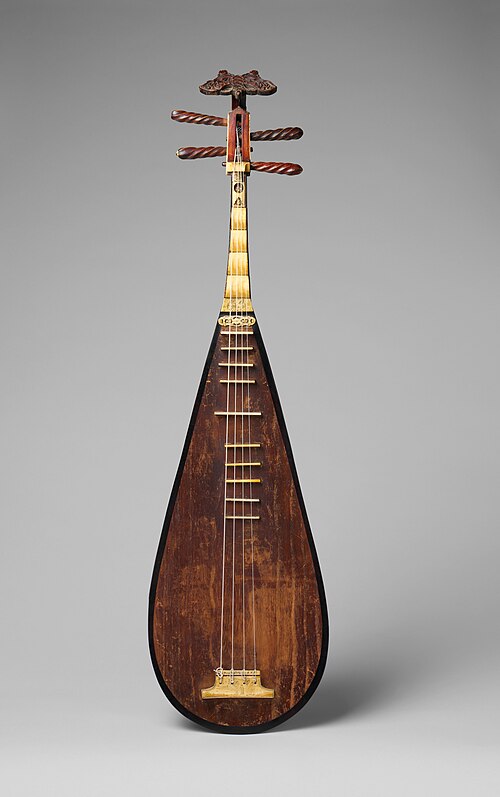
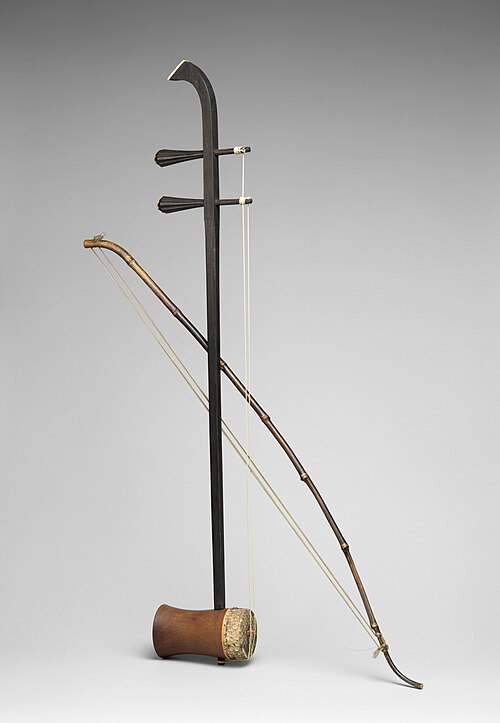
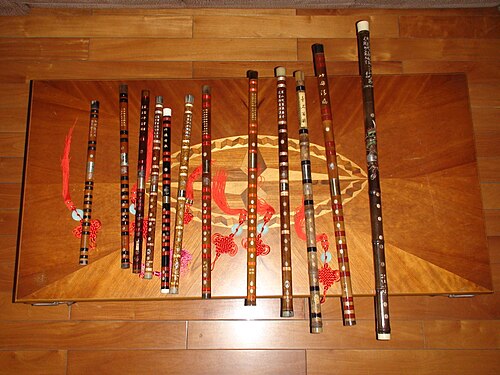
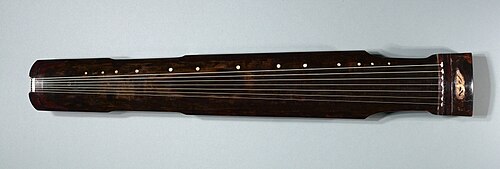
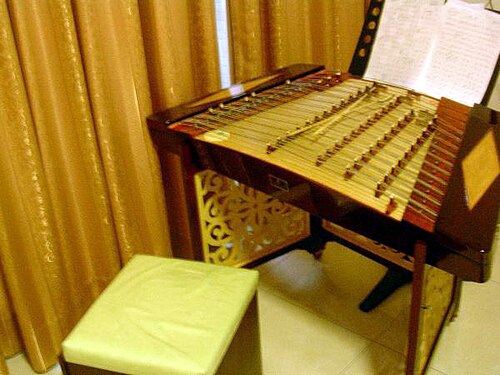
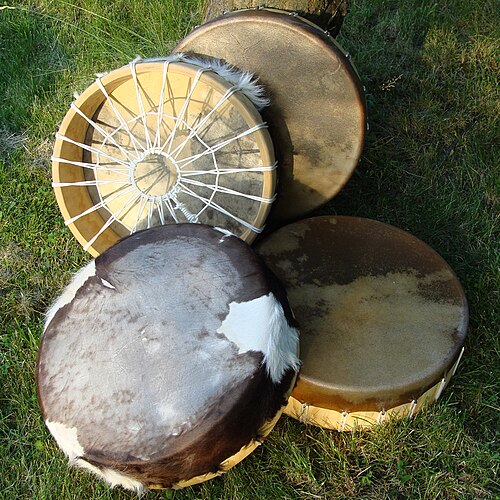
Instruments heard in this episode. Photographs: Pipa; Erhu; Dizi; Guqin; Yangqin & Frame drum.
Go further: The Story of the Silk Road
Our illustrated e-book follows the whole road — the gates, the caravans, the caves at Dunhuang, the silk that was worth an empire — across 40 to 60 pages of story, maps and images. It is written for readers who want the long version.
Free: Silk Road Route Map & Timeline
Leave your email and we will send a printable map showing the ancient route from Chang’an to Rome beside today’s rail and sea corridors, with a timeline of key dates and a pronunciation guide for the place names.