
No merchant ever walked the whole Silk Road. Goods were sold on at every oasis and frontier market, changing hands perhaps twenty times between Chang’an and Rome, carried by strangers who never met and could agree on three words: water, price, sleep. The professional middlemen of the first millennium were largely Sogdians, whose family networks stretched across Central Asia. These routes had no single name until the German geographer Ferdinand von Richthofen called them the Seidenstrasse, the Silk Road.
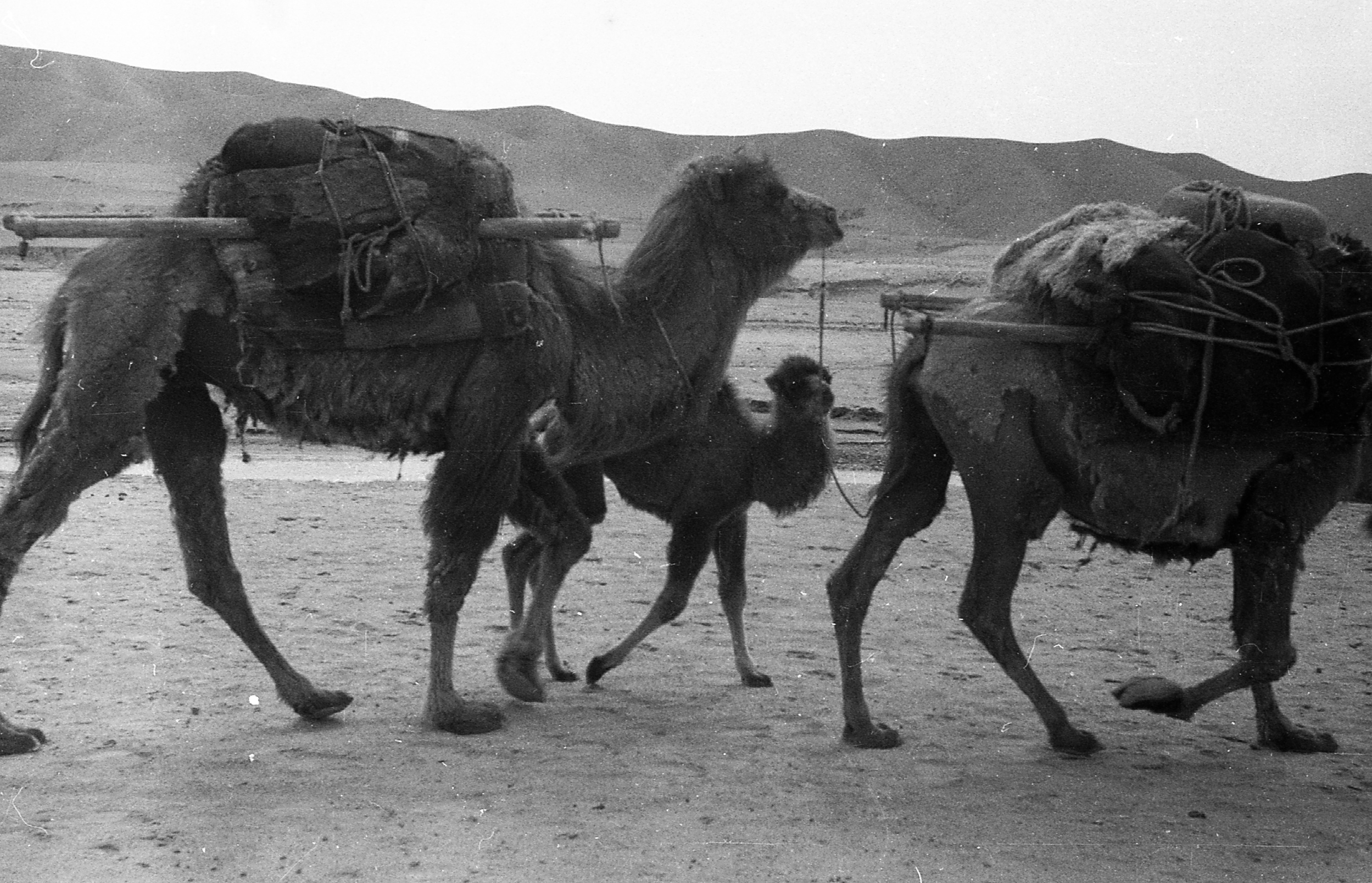
In an oasis town the courtyard starts work before sunrise. Silk bales are weighed against each other on a beam scale, camels kneel in a row to be loaded, and bells are knotted onto the lead animals so that the whole line can be heard coming. A Bactrian camel carried about two hundred kilograms and could drink a hundred litres in a single session. Between stops nothing was bought and everything was carried, so a caravan was not an adventure; it was a business with hooves. Ropes were checked twice, because the desert does not negotiate, and one loose knot could cost an animal that carried a season of profit.
At every oasis the goods were sold on to somebody new. The merchant who bought silk in Chang’an never saw Samarkand, and the merchant in Samarkand never saw Rome; perhaps twenty owners held a single bolt before it was unwrapped in the west. Each one added a price and took a risk, which is why silk arrived expensive and nobody apologised for it. The professionals who made this work were mostly Sogdians from Samarkand and Bukhara, some of whom spoke four languages and belonged to none, moving between caravanserais placed about a day’s march apart. They were the ones the road actually ran on.
Then came the crossing. A wall of sand stood up on the horizon and walked towards the caravan; ropes were checked again, and water was rationed to a single cup that went down the line and came back almost untouched, because everyone drank last so that everyone drank. Then the wind dropped and the sand settled as though it had never moved. Today forty wagons carry in one morning what forty camels carried, and cranes at the coast lift the bales without touching them, but the price still rises at every stage. The road was never one journey. It was a chain of strangers, and the real cargo was trust.
Watch the film
Episode 3 · Caravan. Premiere date to be announced.
About the music
A pipa ostinato sets the walking rhythm of this episode, with the frame drum keeping the pace of the caravan. The erhu takes the melody at the night camp, warm and low, and the dizi comes in for the desert crossing. Camel bells and desert wind run underneath as texture. There is no singing and no spoken word; rhythm and melody do the work of a convoy moving after dark.
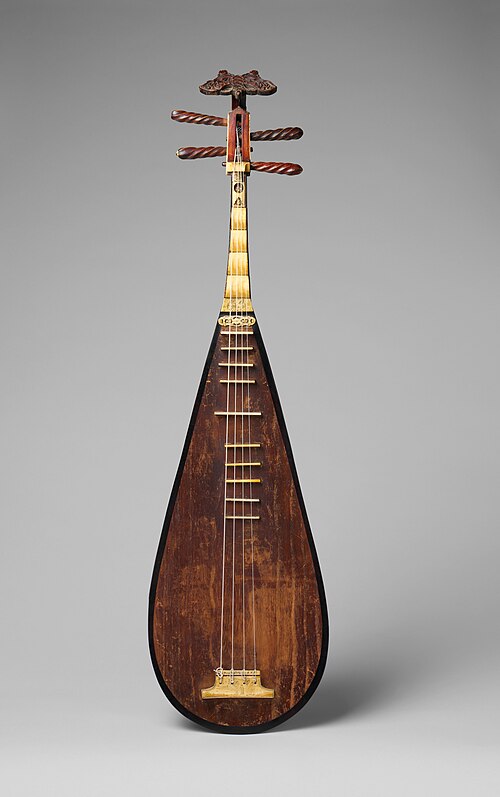
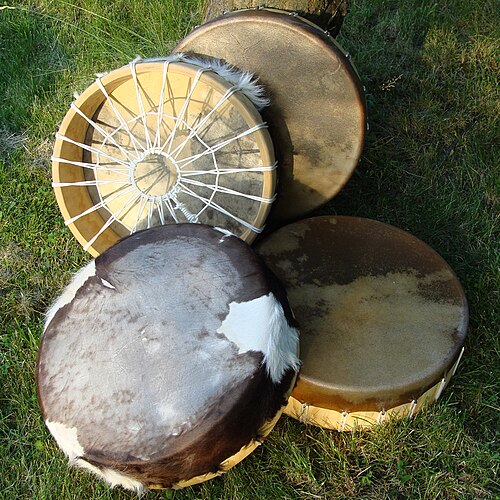
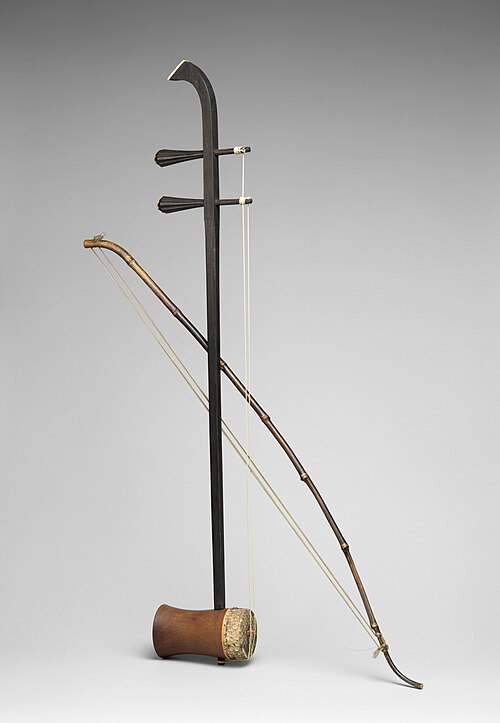
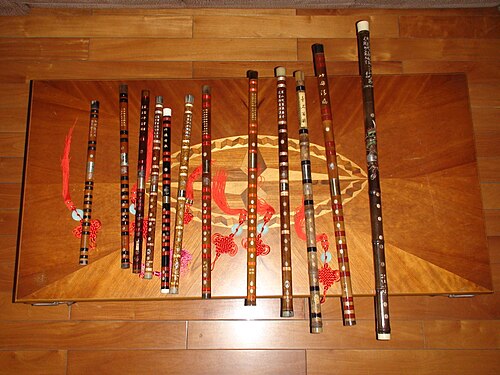
Instruments heard in this episode. Photographs: Pipa; Frame drum; Erhu & Dizi.
Go further: The Story of the Silk Road
Our illustrated e-book follows the whole road — the gates, the caravans, the caves at Dunhuang, the silk that was worth an empire — across 40 to 60 pages of story, maps and images. It is written for readers who want the long version.
Free: Silk Road Route Map & Timeline
Leave your email and we will send a printable map showing the ancient route from Chang’an to Rome beside today’s rail and sea corridors, with a timeline of key dates and a pronunciation guide for the place names.