
Buddhism reached China from India and Central Asia along the trade road, carried largely by monks who walked east with bundles of manuscripts. The real labour was translation. The Kuchean monk Kumarajiva led a great translation bureau at Chang’an in the early fifth century; the pilgrim Xuanzang left China in 629 and returned in 645 with hundreds of Sanskrit texts. Merchants paid for monasteries along the way. The faith arrived as cargo and stayed as culture.
A monk walks east along the trade road with a bundle of sutras on his back, and the cargo is not silk. Buddhism came into China from India and Central Asia along these routes, carried mostly by travellers who moved between oasis towns with palm-leaf manuscripts, and later with paper scrolls, wrapped against the dust. They crossed the same deserts as the merchants, passed the same tolls, and slept in the same caravanserais. What they carried weighed very little and changed a great deal, because it was not goods but words, and words arrive in the mind.
In the translator’s room, two languages were weighed against each other one word at a time. It was slow, disputed work with no room for approximation. Kumarajiva, a Kuchean monk who lived from 344 to 413, led a great translation bureau at Chang’an, where a large team rendered Sanskrit texts into Chinese. Two centuries later the pilgrim Xuanzang travelled west from 629, returned in 645 with hundreds of Sanskrit texts, and spent the rest of his life on the same task. By night the work shrank to a lamp, a brush, and one page that had come back damaged.
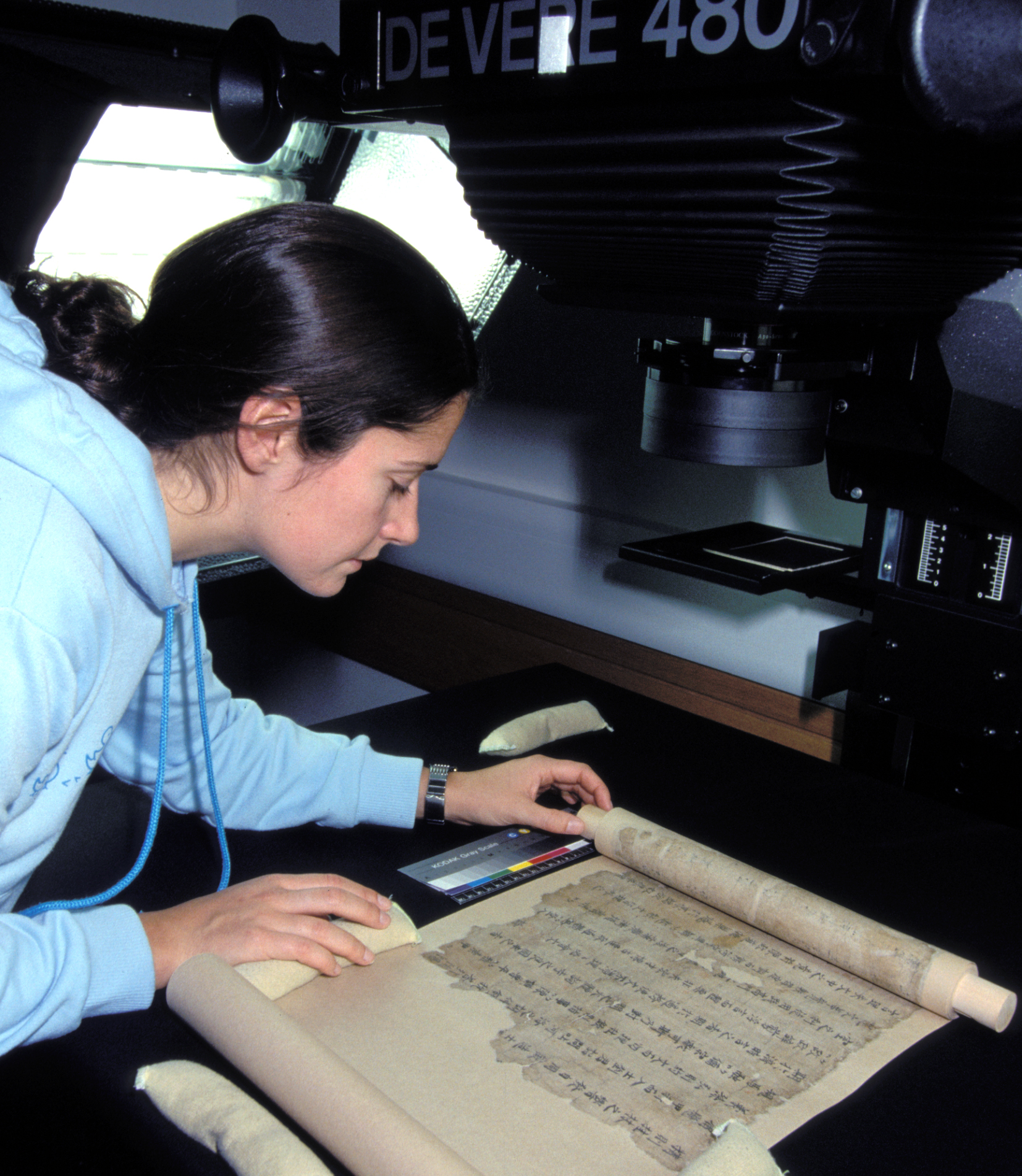
Monasteries rose where the road crossed water, funded by the merchants who used those crossings, and at Dunhuang the caves held both paintings and libraries of text for centuries. Around the eleventh century, some fifty thousand manuscripts were sealed inside a small cave, probably to protect them from invasion. They stayed shut for nearly nine hundred years. In 1900 the caretaker Wang Yuanlu rediscovered the library cave, and its scrolls are now among the most studied documents in the world. Today the same pages are measured, mended and studied in conservation laboratories.
Watch the film
Episode 7 · The Road of Faith. Premiere date to be announced.
About the music
The music uses guqin and pipa as the lead voices, with erhu answering, dizi for the road, yangqin for the translator’s room, a frame drum as a heartbeat, and desert wind and camel bells as texture. It is entirely instrumental: there is no singing and no spoken word at any point in the episode’s score.
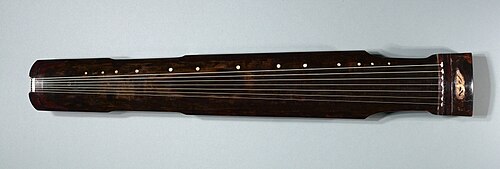
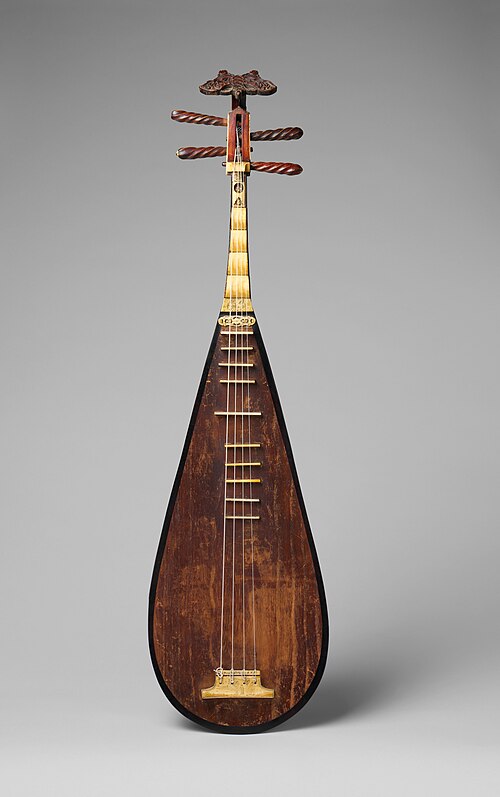
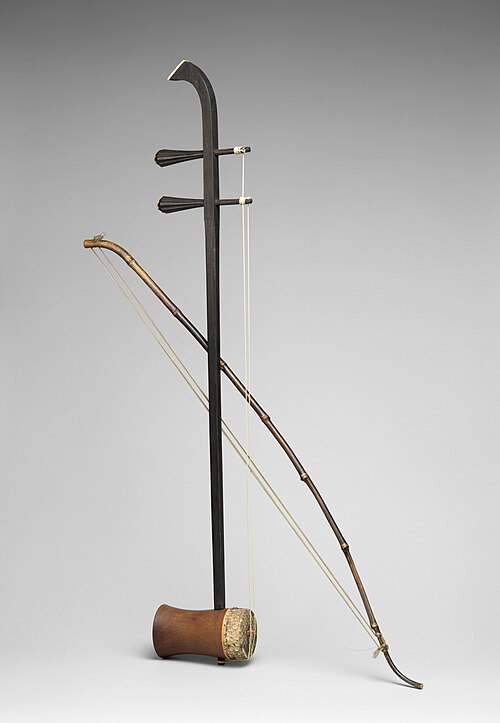
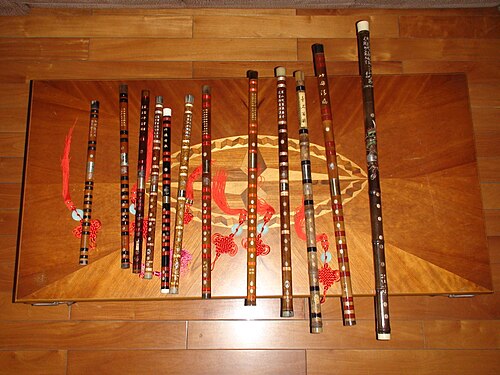
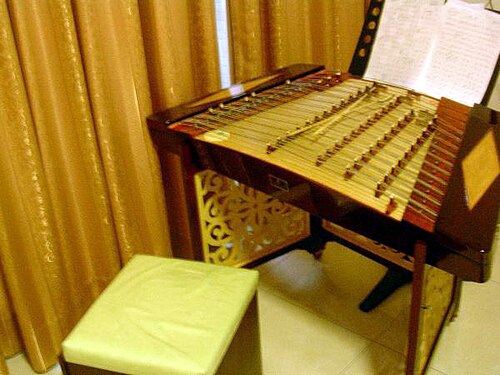
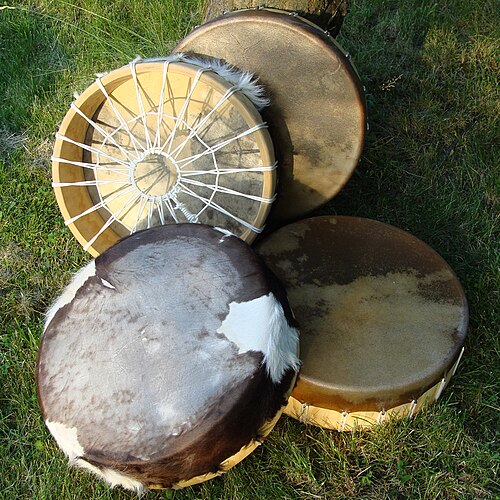
Instruments heard in this episode. Photographs: Guqin; Pipa; Erhu; Dizi; Yangqin & Frame drum.
Go further: The Story of the Silk Road
Our illustrated e-book follows the whole road — the gates, the caravans, the caves at Dunhuang, the silk that was worth an empire — across 40 to 60 pages of story, maps and images. It is written for readers who want the long version.
Free: Silk Road Route Map & Timeline
Leave your email and we will send a printable map showing the ancient route from Chang’an to Rome beside today’s rail and sea corridors, with a timeline of key dates and a pronunciation guide for the place names.