
Paper, printing and gunpowder all begin in China, and all of them eventually leave it. Papermaking is traditionally credited to the Han court official Cai Lun in 105 CE, made from bark, hemp, rags and old fishing nets. Woodblock printing followed, and by 868 a dated scroll of the Diamond Sutra had been printed. Gunpowder first appears in a Chinese military manual of 1044. Each of these crossed mountains and sea, and changed hands along the way.
Rags and bark are beaten to pulp in a vat, and a wet sheet of paper is lifted out of the water on a flat screen, still soft enough to fall apart if it is handled carelessly. Papermaking is traditionally credited to the Han court official Cai Lun in 105 CE, though earlier coarse paper survives. The materials were ordinary and cheap: tree bark, hemp, worn cloth, old fishing nets. That cheapness was the point, and it is why the sheet in the vat mattered far more than anything written on it. A thing that can be made anywhere, from almost nothing, can go anywhere.
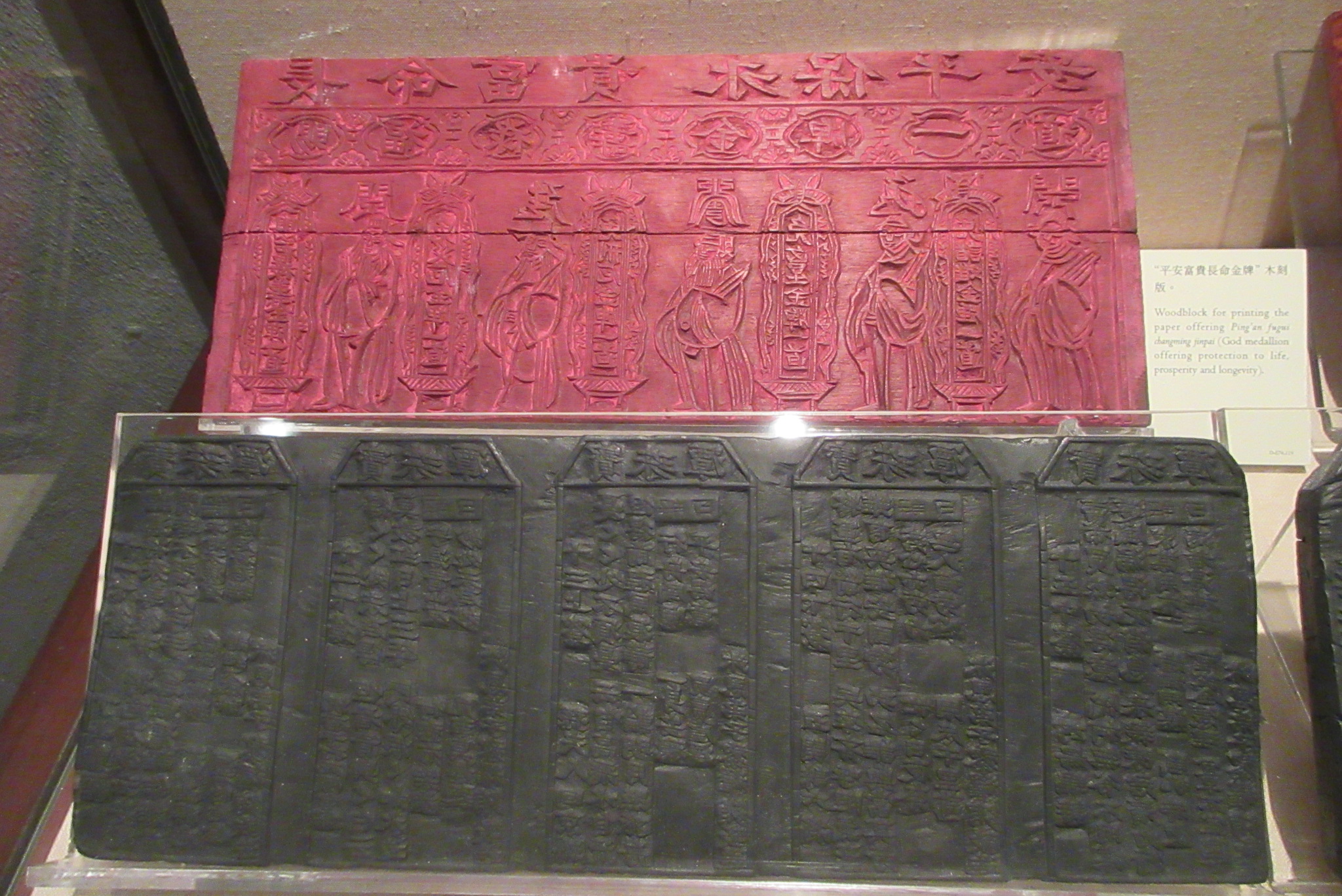
In a printing workshop, a carved wooden block and a flat brush turn one page into a thousand copies. By the eighth century whole pages were carved in relief and pressed onto paper, and a dated scroll of the Diamond Sutra was printed in 868. The work was careful and unforgiving: the block had to be cut in reverse, and a single slip was cut into the wood for good. Meanwhile a page dried in the shade somewhere else, and every fibre decided how it would hold ink. Nothing about the process was fast, but nothing about it had to be done twice.
Paper, printing and gunpowder crossed the mountains and the sea, and changed hands along the way. At the Battle of Talas in 751, Tang and Abbasid armies met near the Talas river; Chinese captives, among them craftsmen, are said to have carried papermaking westward. Mills appeared at Samarkand and then Baghdad around 794. Printing reached Europe in the fourteenth and fifteenth centuries. Gunpowder, first set out in a Chinese military manual of 1044, served as fire-lances and fireworks long before it became artillery in the West.
Watch the film
Episode 8 · Paper and Powder. Premiere date to be announced.
About the music
This episode’s score has pipa and yangqin as the main voices, with erhu answering, guqin for the drying page, dizi on the mountain pass, and a frame drum for the workshop rhythm, over desert wind and camel bells. It is entirely instrumental: there is no singing and no spoken word in the music.
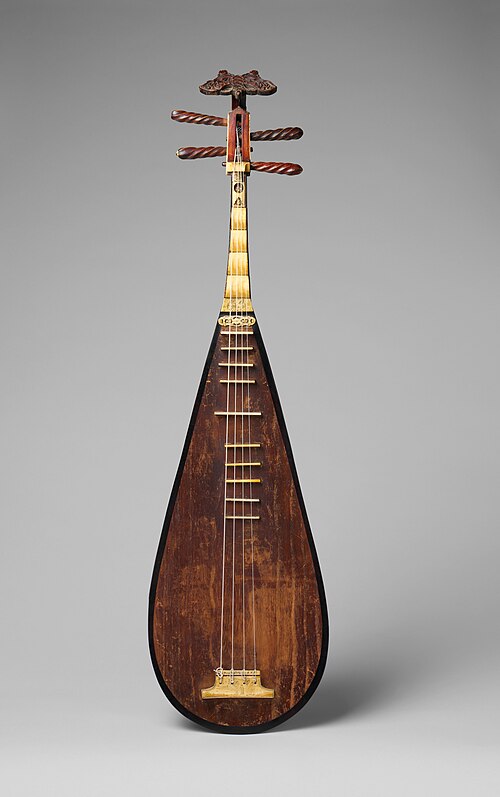
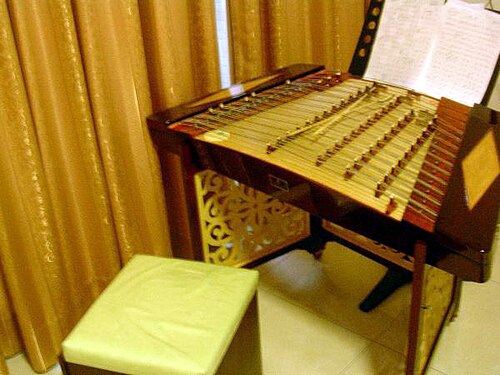
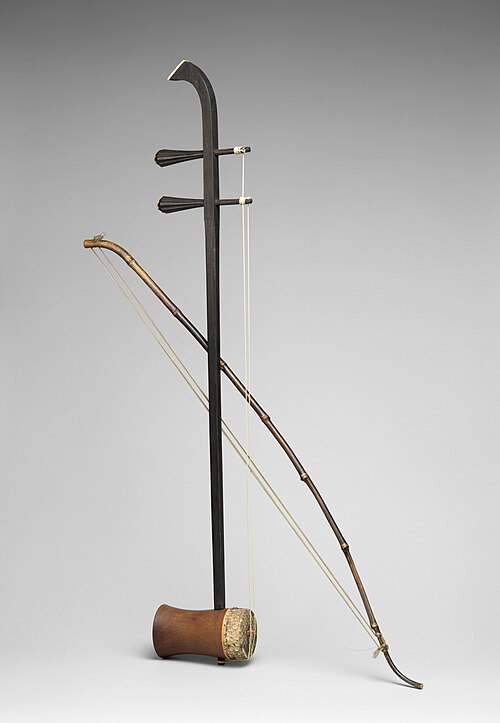
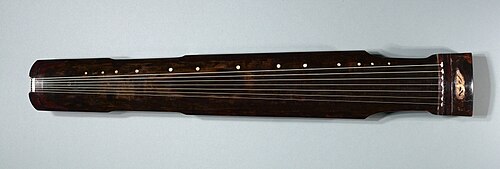
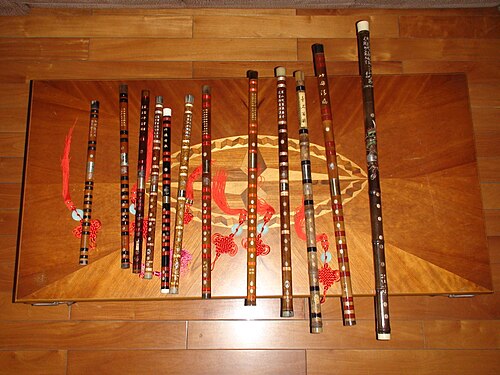
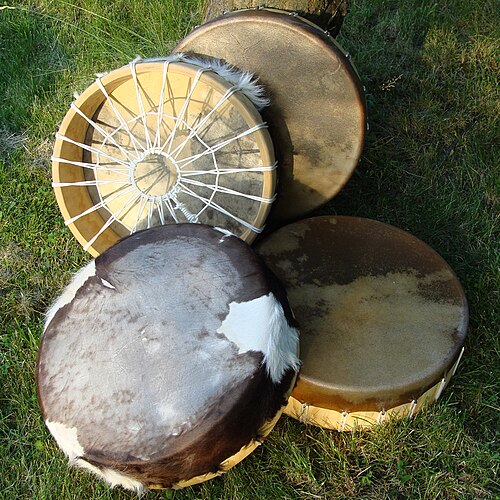
Instruments heard in this episode. Photographs: Pipa; Yangqin; Erhu; Guqin; Dizi & Frame drum.
Go further: The Story of the Silk Road
Our illustrated e-book follows the whole road — the gates, the caravans, the caves at Dunhuang, the silk that was worth an empire — across 40 to 60 pages of story, maps and images. It is written for readers who want the long version.
Free: Silk Road Route Map & Timeline
Leave your email and we will send a printable map showing the ancient route from Chang’an to Rome beside today’s rail and sea corridors, with a timeline of key dates and a pronunciation guide for the place names.