
The Mogao caves near Dunhuang hold roughly 45,000 square metres of wall painting and more than two thousand painted sculptures, made between the fourth and fourteenth centuries and cared for by the Dunhuang Academy since 1944. This episode watches a working day on the cliff: a fixed number of visitors, a laboratory measuring what air and salt are doing, and an hour of repair measured in square centimetres. In the afternoon the work moves across the yard to a digitisation studio, where cameras on rails photograph every wall. It is not a museum piece. It is maintenance, done slowly, by people who expect to hand it on.
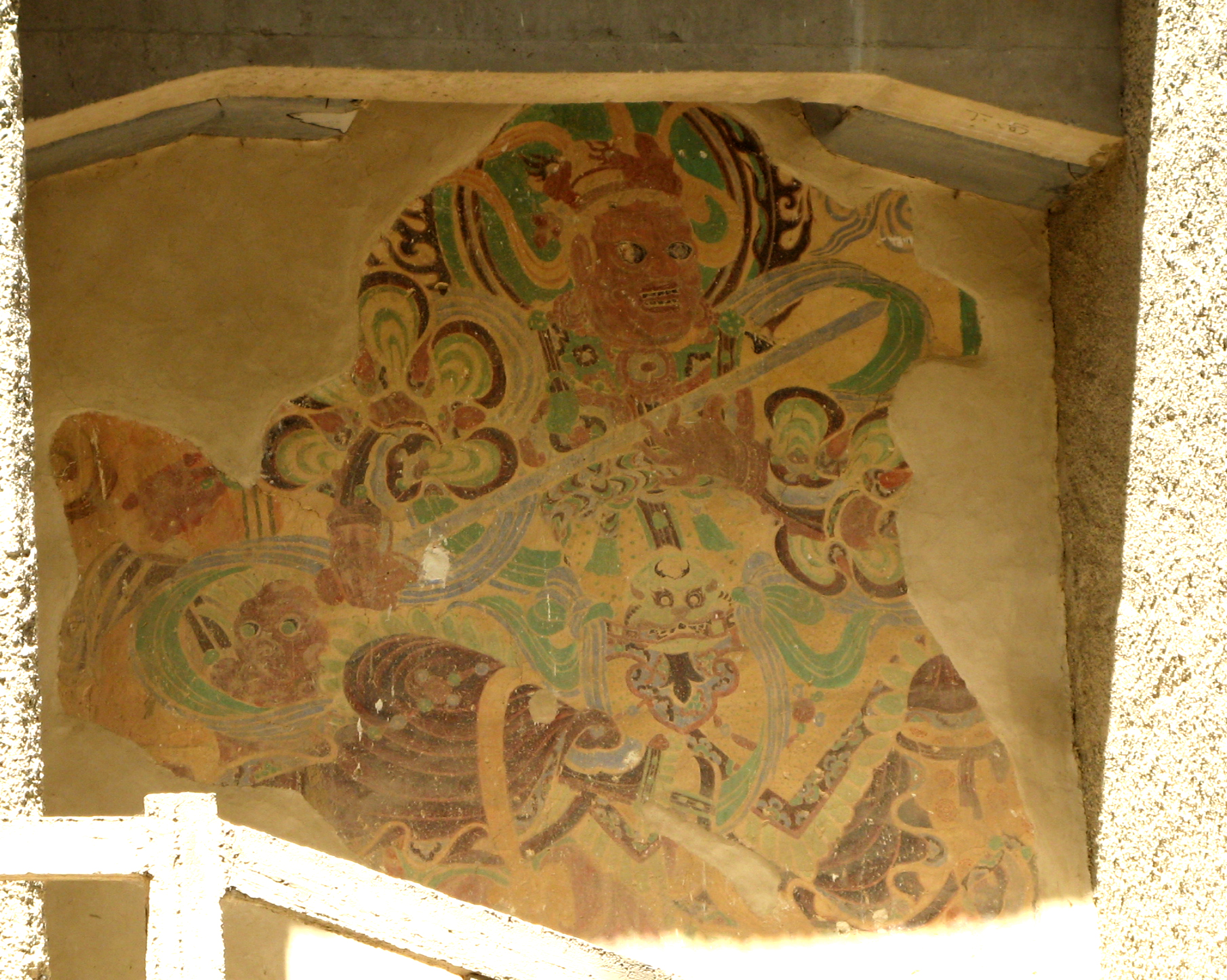
Dunhuang, today. A sandstone cliff stands above the desert, its face honeycombed with painted caves. People cut more than five hundred of them into the rock, and painters, monks and merchants left their colours inside. Every morning a wooden gate opens in the ravine, and a thin line of visitors moves along the terrace while a ranger counts at the turnstile. Breath and warmth are the slow enemies of old paint, so the number of visitors is fixed and the doors close on time. Behind the gate, another kind of visitor works quietly, and has done so for more than eighty years.
At the foot of the cliff there is a laboratory. Small samples rest in sealed dishes, labelled and dated; a gloved hand turns a microscope stage and a sliver of pigment becomes a landscape of crystals. Azure comes from lapis, green from malachite, red from cinnabar, and knowing the recipe tells a conservator how to repair. Humidity is watched hour by hour, winter and summer, and a crack in plaster is measured with a scale thinner than paper. Then comes the hour when one person meets one wall: a syringe slides behind the flaking paint and injects grout, the plaster softens and settles back against the rock, and a fine brush touches colour into a missing line. One square centimetre can take an entire afternoon.
Across the yard, another team is building a second cave out of light. A camera rig steps along a rail, the shutter firing in rhythm; each wall becomes thousands of overlapping frames, stitched later into a single image, then colour-corrected until the screen matches the wall. The caves travel without the caves moving at all. Schoolchildren in other cities stand inside a painted grotto, and scholars compare paint from opposite ends of the road. At dusk the last visitors leave, the sand cools, and a conservator locks a door with a brass padlock. Tomorrow the gate opens again. Repair is not making new; it is holding on, and the best repair is the one you cannot see.
Watch the film
Episode 11 · Keepers of the Caves. Premiere date to be announced.
About the music
This episode’s music is instrumental: pipa, erhu and guqin as the lead voices over a slow frame drum pulse, with dizi for the daylight above the cliff and yangqin for the laboratory, textured with desert wind, a faint cave reverb and distant bells. There is no singing and no spoken word. Sparse, almost silent passages sit under the microscope and the brush, and the full ensemble thins to guqin and wind at dusk.
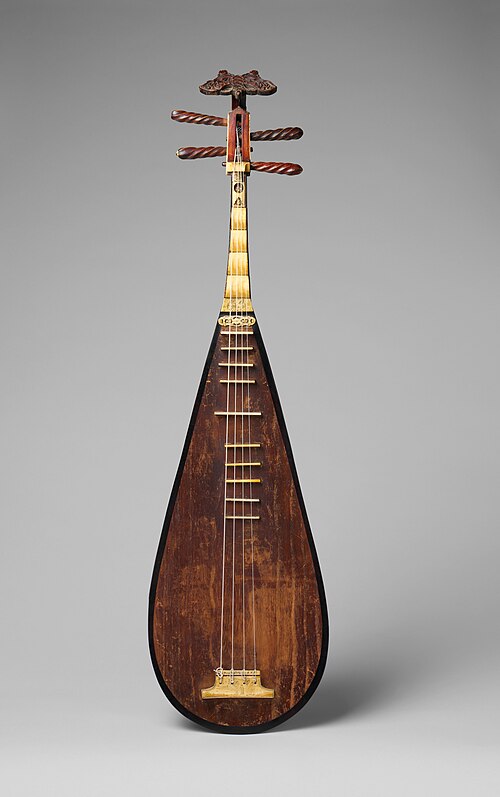
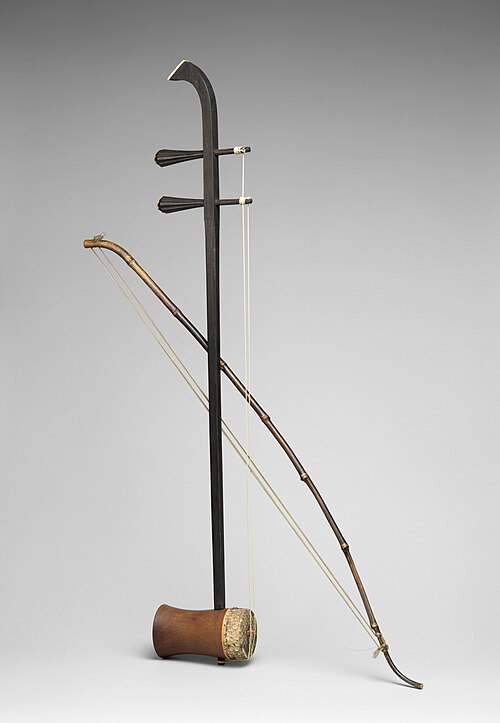
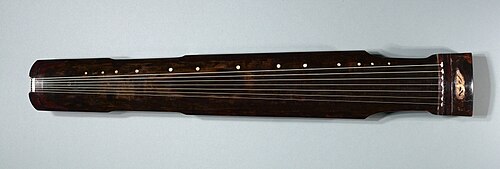
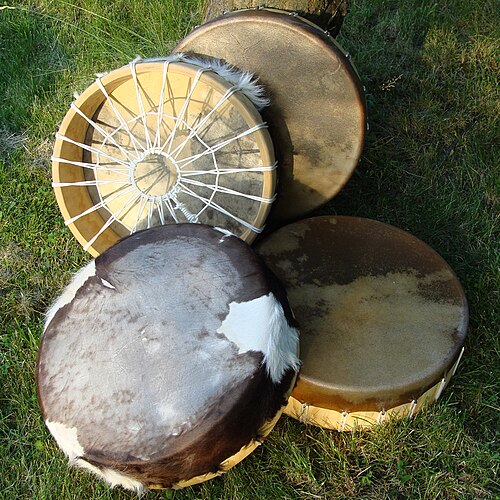
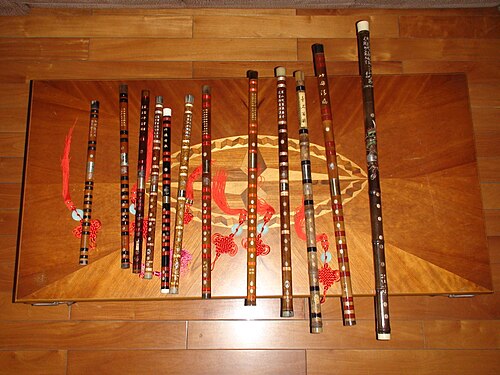
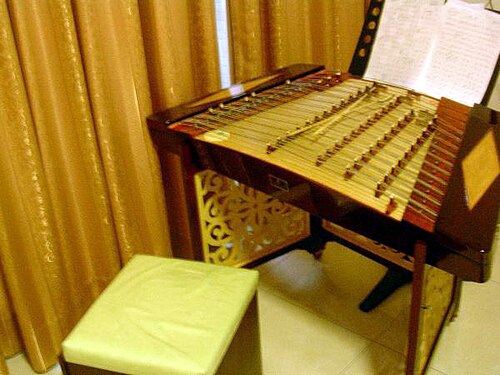
Instruments heard in this episode. Photographs: Pipa; Erhu; Guqin; Frame drum; Dizi & Yangqin.
Go further: The Story of the Silk Road
Our illustrated e-book follows the whole road — the gates, the caravans, the caves at Dunhuang, the silk that was worth an empire — across 40 to 60 pages of story, maps and images. It is written for readers who want the long version.
Free: Silk Road Route Map & Timeline
Leave your email and we will send a printable map showing the ancient route from Chang’an to Rome beside today’s rail and sea corridors, with a timeline of key dates and a pronunciation guide for the place names.